TrendsDecember 20, 20246 min read
Digital Ordering Trends Shaping the Restaurant Industry
From QR ordering to kitchen automation, explore the trends that are transforming how restaurants operate.
The End of 'Waiting for the Waiter'
The most persistent pain point in restaurant dining has always been waiting: waiting to be seated, waiting for a menu, waiting to order, waiting for the check. Digital ordering technology removes many of these friction points, which is why more and more restaurants are trying it.
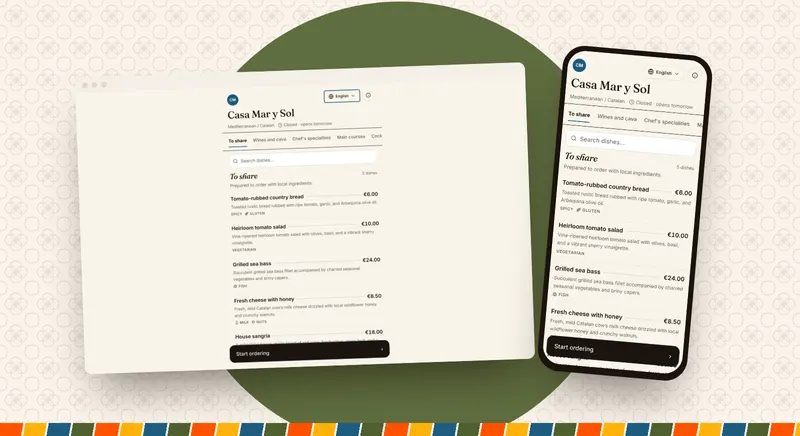
QR-based table ordering represents the sweet spot between the convenience of delivery apps and the experience of dining in. Customers scan a code, browse a beautiful menu on their own phone, and order when they're ready. No app download, no account creation, no friction.
Shared Carts and Group Ordering
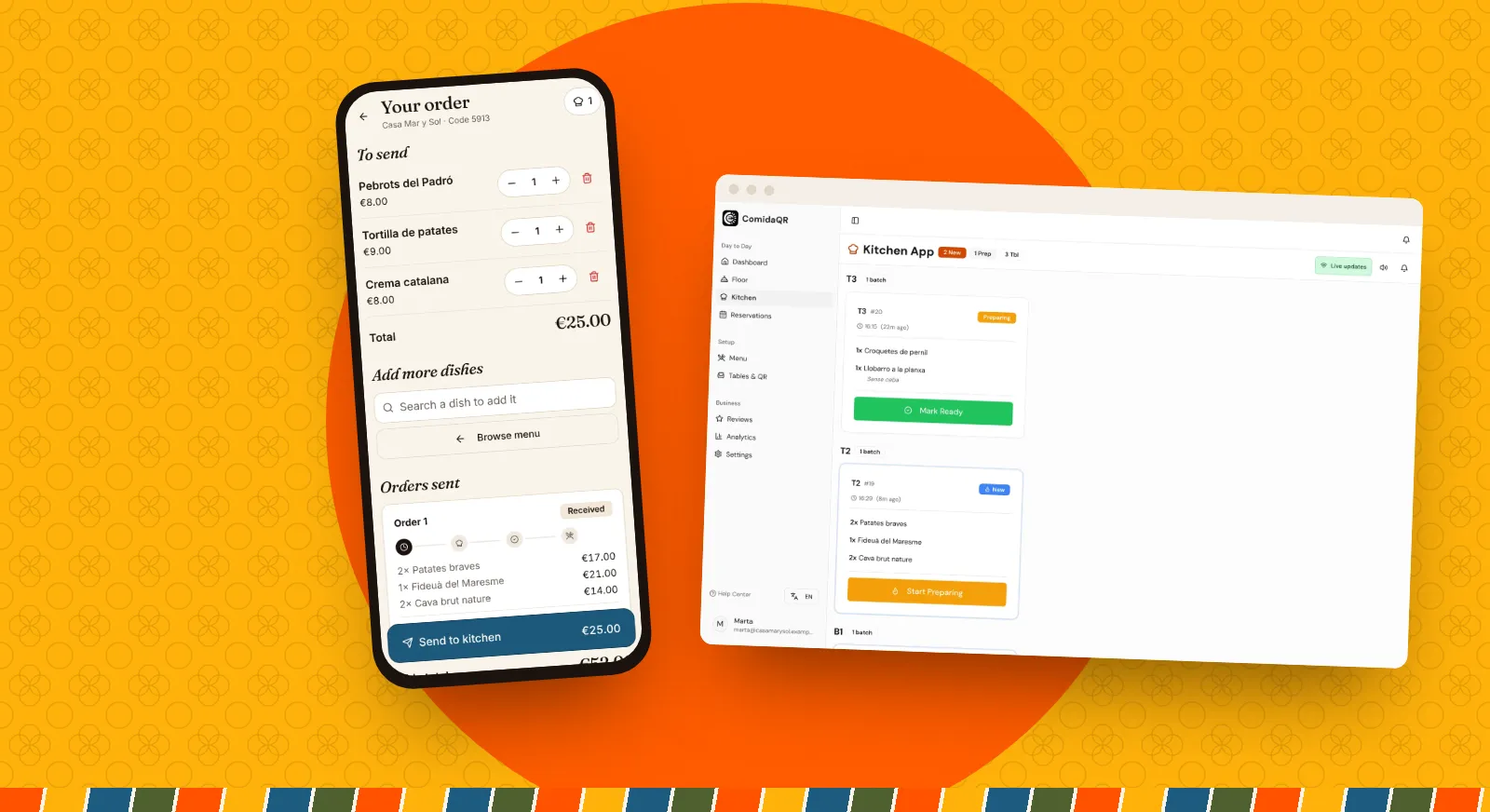
One of the most interesting innovations in table ordering is the shared cart concept. When a group of friends sits down for dinner, everyone at the table can add items to a single shared cart from their own devices. This mirrors how people actually order: discussing, adding, changing their minds: but digitally.
The server provides a short session code (typically 4 digits) that links each customer's device to the table's order. This simple security model ensures that old QR code photos can't be used to place fake orders while keeping the customer experience frictionless.
Real-Time Kitchen Integration
The real power of digital ordering isn't at the table: it's in the kitchen. When orders flow directly from customer devices to kitchen displays via WebSocket connections, the entire communication chain between customer, server, and kitchen is compressed to near-zero latency.
Kitchen display systems show orders grouped by table, with clear status progression (New, Preparing, Ready). Staff can update status with a single tap, and these updates propagate instantly to server dashboards and customer devices. The result is fewer errors, faster service, and less shouting across the kitchen.
Multiple Order Rounds
Traditional ordering forces an awkward choice: order everything at once (and risk cold starters arriving with your dessert) or flag down a server multiple times. Digital ordering naturally supports multiple rounds: starters first, then mains, then desserts: with each submission creating a separate batch on the kitchen dashboard.
This pattern matches how people actually prefer to dine. It also makes a later round easy: adding desserts or another bottle of wine is just a case of browsing the menu on your phone and sending the order.
Bill Request and Settlement
The end-of-meal experience is where most restaurants lose momentum. Customers are ready to leave but have to catch someone's eye to get the check. Digital systems allow customers to request the bill directly from their phone. In ComidaQR this notifies the floor staff and, by default, locks the ordering cart so no last-minute additions slip in after the bill is requested. Where the restaurant has connected Stripe, guests can also pay from their phone, in full, split evenly or by dish, with an optional tip.
Staff can also unlock ordering if needed: the table that requests the bill, then decides they want dessert after all, shouldn't need a complete session restart.